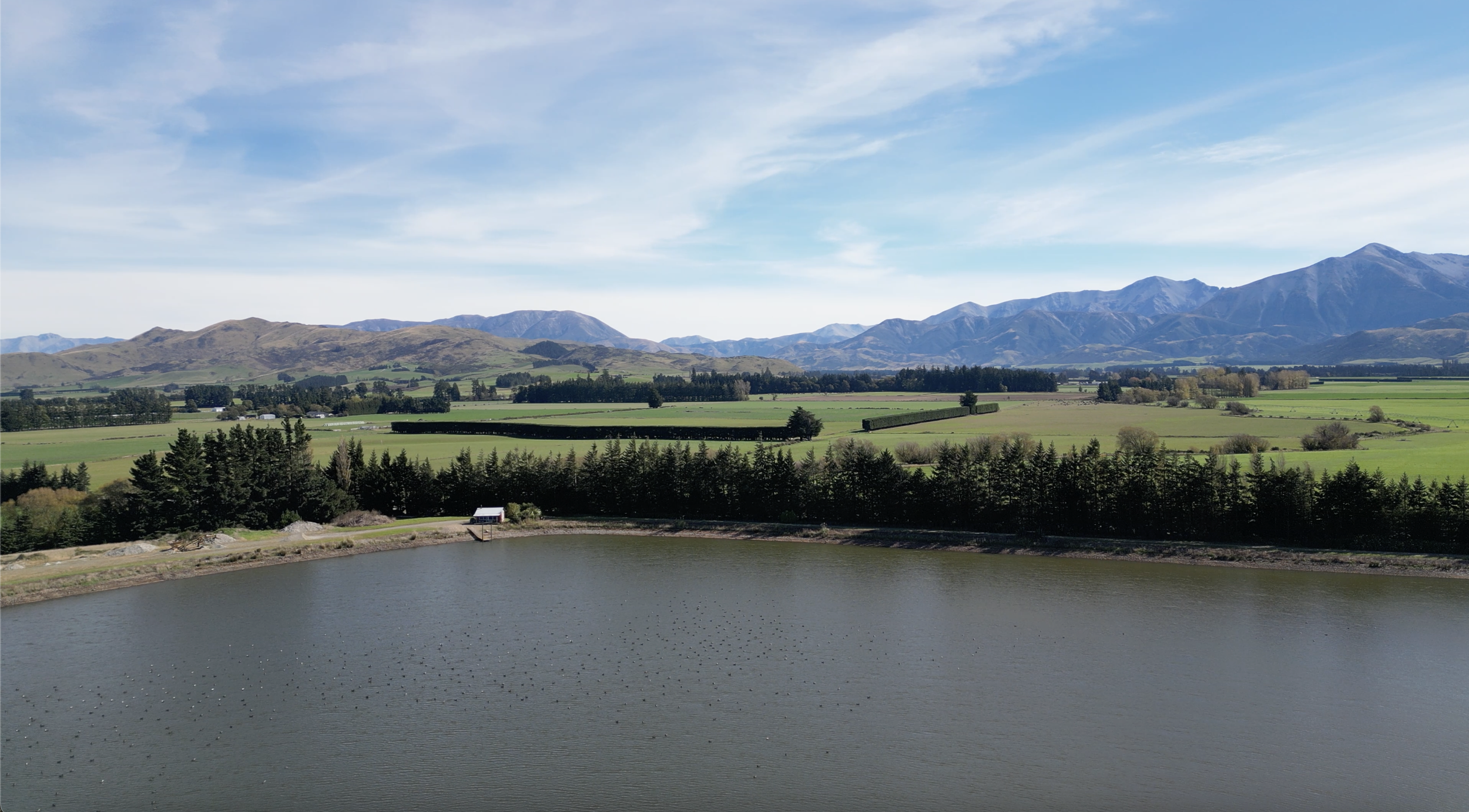
Specialists in Aquatic Weed Management.
Biological weed control for lakes, ponds and closed waterbodies using grass carp and targeted restoration tools.

At Graze, we take a practical, long-term approach to aquatic weed management.
Rather than relying solely on repeated cutting, spraying or removal, we use lasting biological control tools such as grass carp to help restore balance in lakes, ponds and other closed waterbodies.

Whether you're responsible for a farm pond, a golf course lake, or a publicly owned waterbody, we guide you through the entire process — from understanding the problem and assessing the site through to approvals, transportation, release and ongoing monitoring. Our role is to make what can often feel like a complicated process simple and straightforward, giving you a clear pathway towards a healthier, more usable waterbody.
Our Tailored Process
Aquatic weed management starts with understanding the waterbody, not forcing a one-size-fits-all solution. Graze defines the problem and applies the right biological and practical tools to support each waterbody over time.
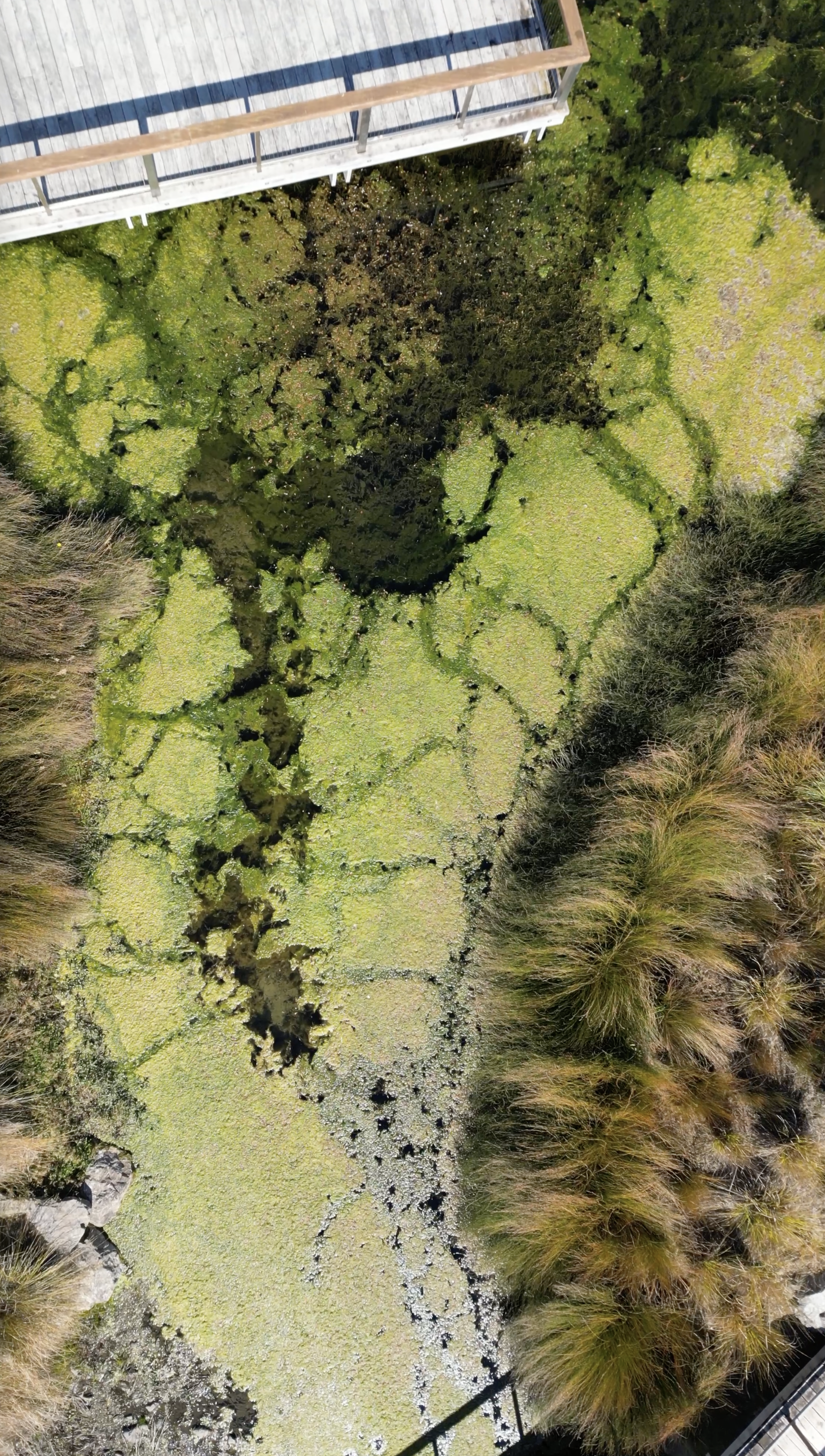
Assess
Every pond, lake or closed waterbody is different. Graze assesses the weed type, water conditions, the site, approval requirements and client goals before recommending a customised aquatic weed management pathway.
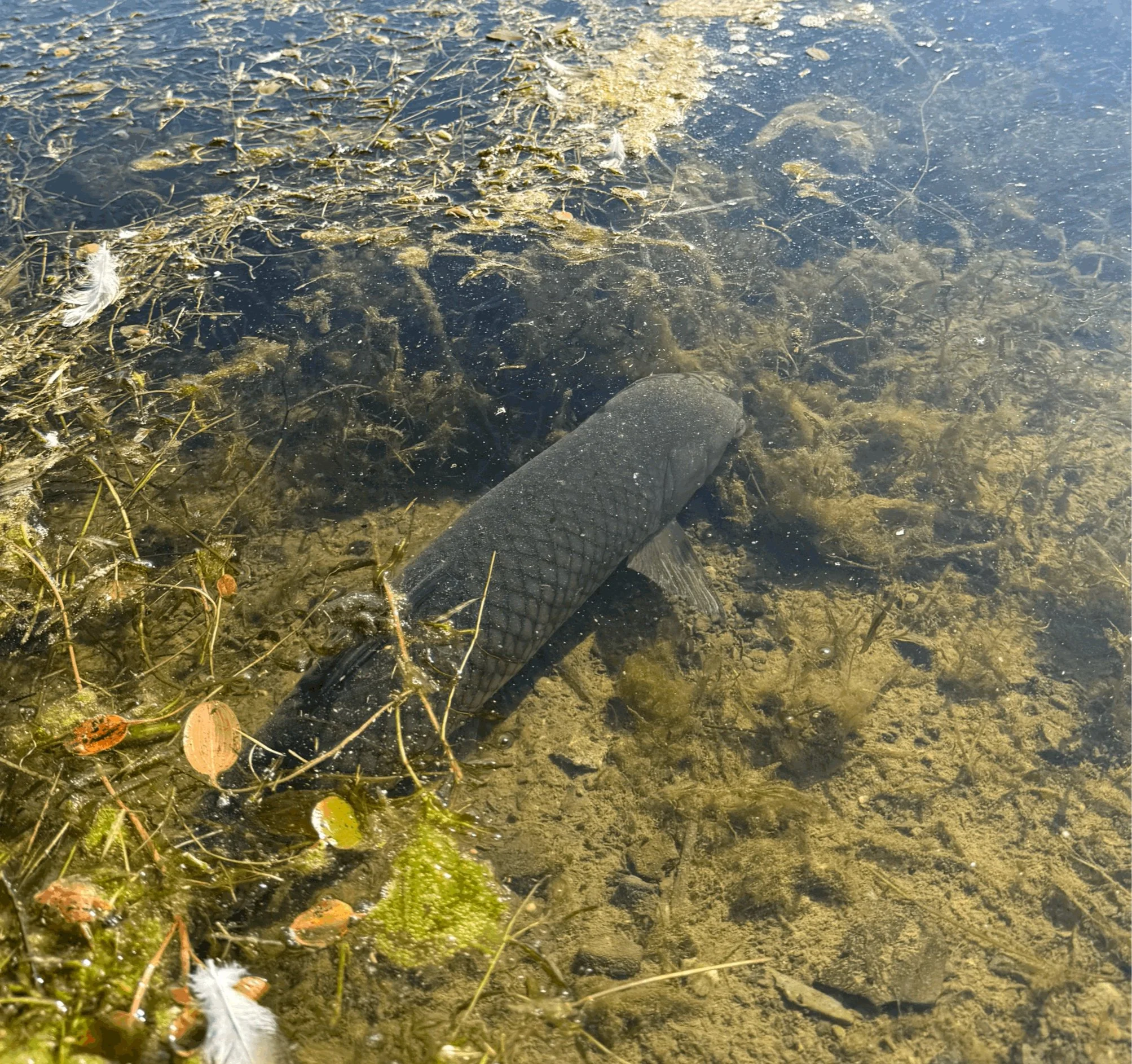
Control
Graze uses specialist biological control species to help manage aquatic weed and algae pressure in suitable closed waterbodies. Where needed, we can also support weed management with robotic control, natural water quality support or targeted treatment options.
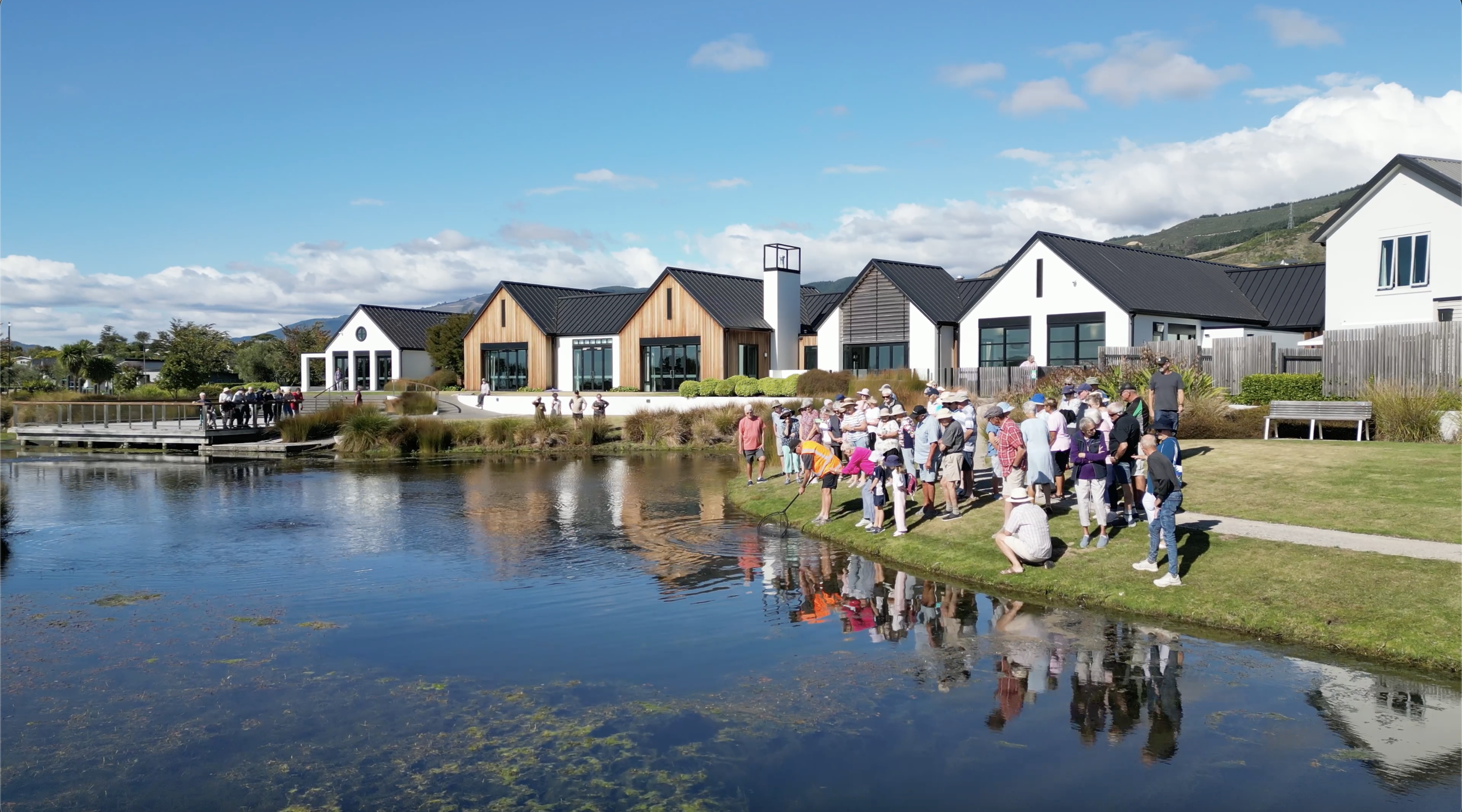
Maintain
Aquatic weed control is not just a one-off intervention. Graze provides ongoing monitoring, customer guidance and practical support to help protect results and maintain cleaner, healthier and more usable waterbodies year after year.
Our Tools
Biological control, supported by practical technology.
Graze is built around specialist grazing fish, with grass carp at the centre of our aquatic weed management approach.
Unlike short-term cutting or repeated chemical intervention, these biological tools can continue working within a suitable waterbody for many years, helping reduce long-term maintenance pressure and cost.
Grass Carp
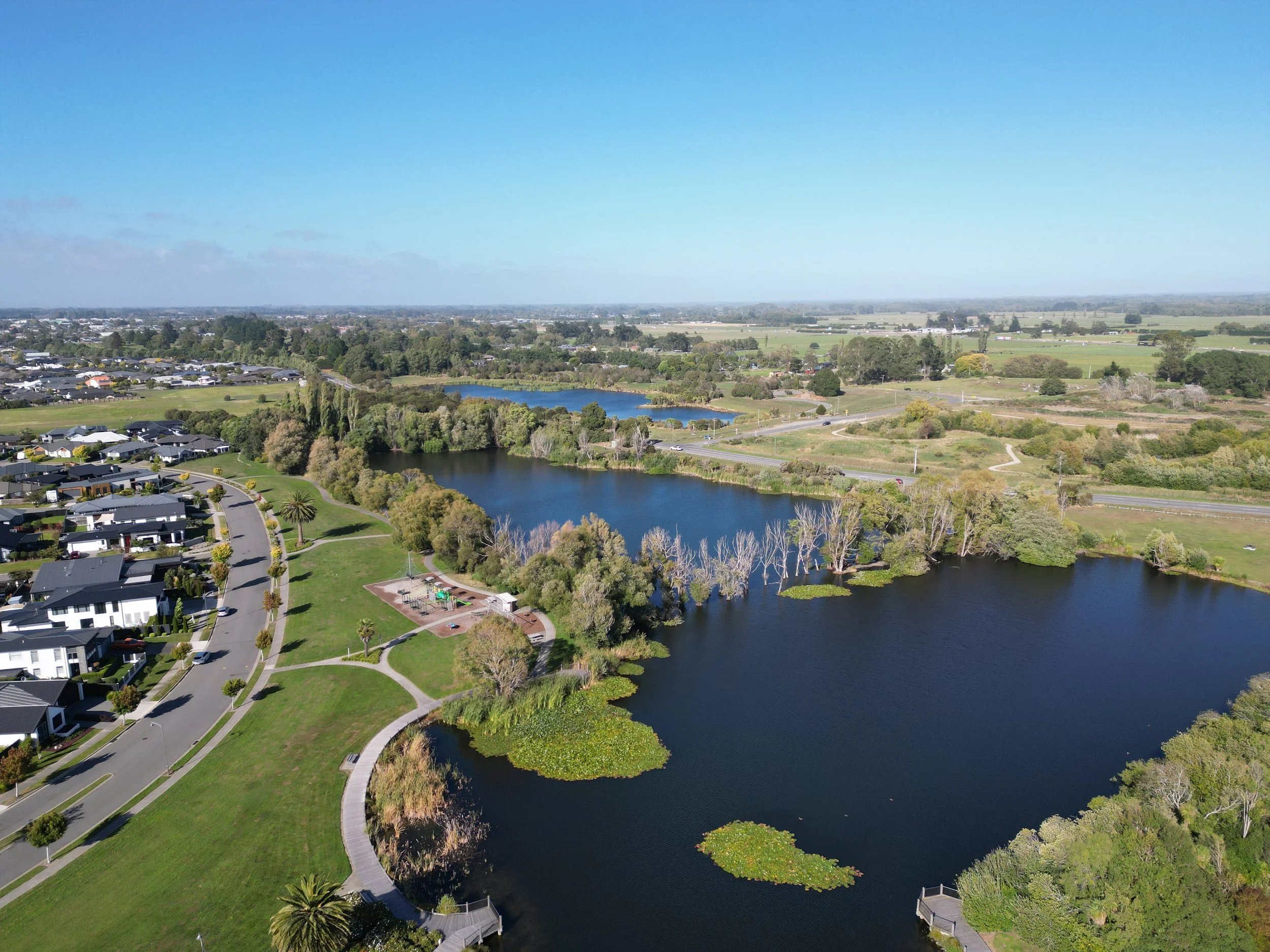
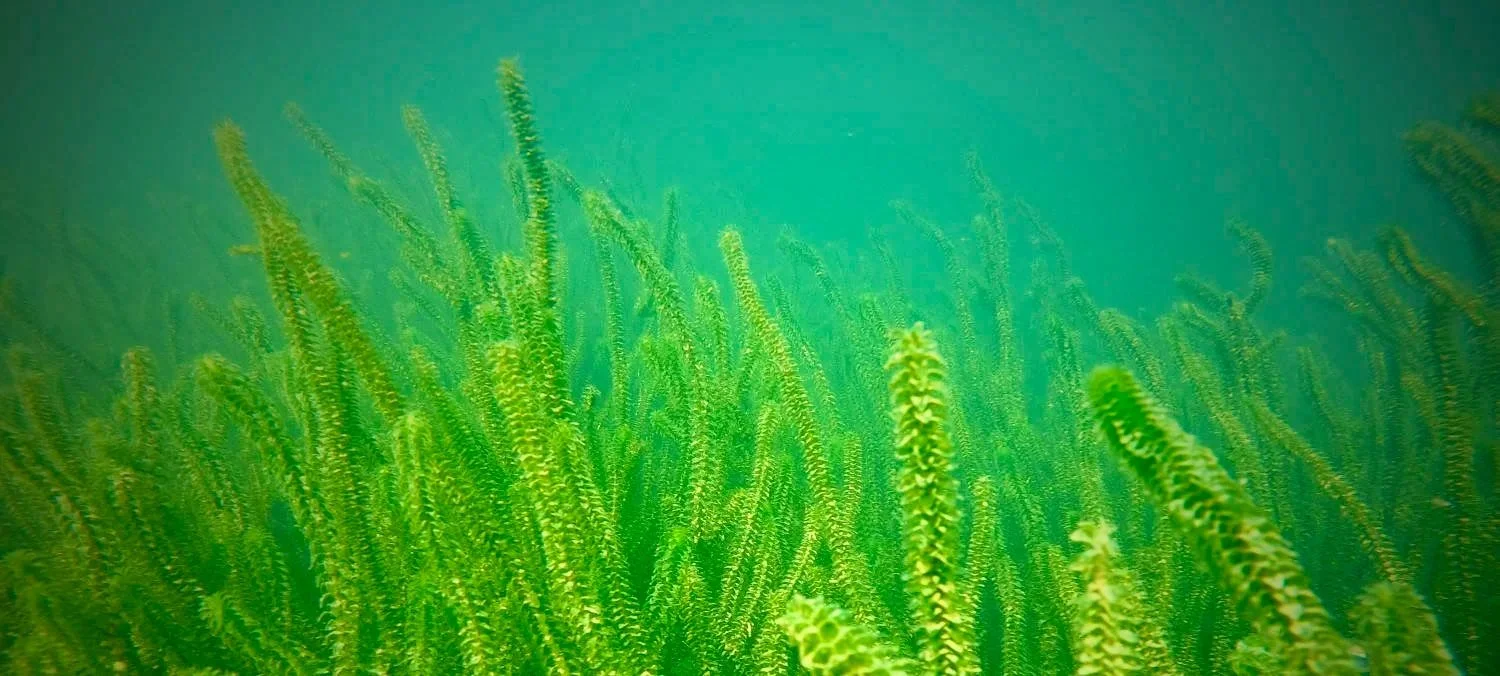
Grass carp are central to Graze’s approach for submerged aquatic weed control. In suitable closed waterbodies, they graze problem vegetation throughout the year, helping restore usability and reduce reliance on repeated cutting or spraying.
Grass carp are stocked, not self-spreading. They are very unlikely to breed in New Zealand conditions and, do not establish self-sustaining populations. This means their role is controlled: they are introduced at a carefully calculated rate to graze the target weed and support long-term vegetation management.
Case Study: Lake Karapiro, Waikato
5 Grass Carp
•
100% Weed Removal
•
9 Weeks
•
5 Grass Carp • 100% Weed Removal • 9 Weeks •
*Based on a NIWA/MPI contained trial at Lake Karapiro in 2012. High-density grass carp removed visible hornwort from the water column within 9 weeks.
Supporting Solutions
Some sites need more than biological control alone. Graze combines modern technology, including robotic weed control, drone spot spraying and GPS waterbody mapping, with specialist aquatic expertise to deliver accurate site assessments, targeted interventions and ongoing monitoring tailored to each waterbody.
National Relationships
Graze works within New Zealand’s freshwater approval framework, engaging with the agencies and sector organisations that help guide responsible aquatic weed management.



“Graze gave us a clear pathway for managing aquatic weed in our retirement village pond. Their knowledge of grass carp, regulations and long-term management solutions gave us confidence that the project was in the right hands. The process was professional from start to finish, and we now have a specialised plan for improving the health and appearance of our pond year after year.”
— James Nelson
Your Questions. Answered.
Every waterbody comes with its own questions. These answers are designed to help you understand what may be possible before requesting a site assessment.

-
The best starting point is a site assessment. We look at the weed or algae issue, waterbody type, containment, access, water conditions and what you want the site to achieve. From there, we can advise whether biological control or another management option is likely to be suitable.
-
Yes. Biological control fish require the correct approval pathway before they can be released. Graze helps clients understand what information is needed, what agencies may be involved and how the process is likely to work for their site.
-
No. Grass carp are a different species used internationally for aquatic weed control purpose. They only feed on aquatic plants and are carefully managed under New Zealand regulations.
-
Biological control is not an instant clean-up. Timeframes depend on the waterbody, weed type, stocking approach, approvals and fish availability. Some sites may also need supporting tools if a faster visual improvement is required.
-
Yes it is. Grass carp can continue working within a waterbody for many years, helping reduce reliance on repeated cutting, spraying or short-term intervention.
-
Costs depend on the size of the waterbody, the issue being managed, approval requirements, fish numbers, logistics and any supporting tools needed. Once we understand your site, we can provide a clearer estimate and explain what is included.
Not sure where to start?
Every patch of freshwater has its own challenges.
Share a few details about what is happening on your site, whether it is aquatic weed, poor clarity or a waterbody that no longer looks or functions as it should.
Graze will help you understand the likely options, the approval pathway and whether a site assessment is the right next step.